
2025 Real Estate and Design Trends We’re Watching
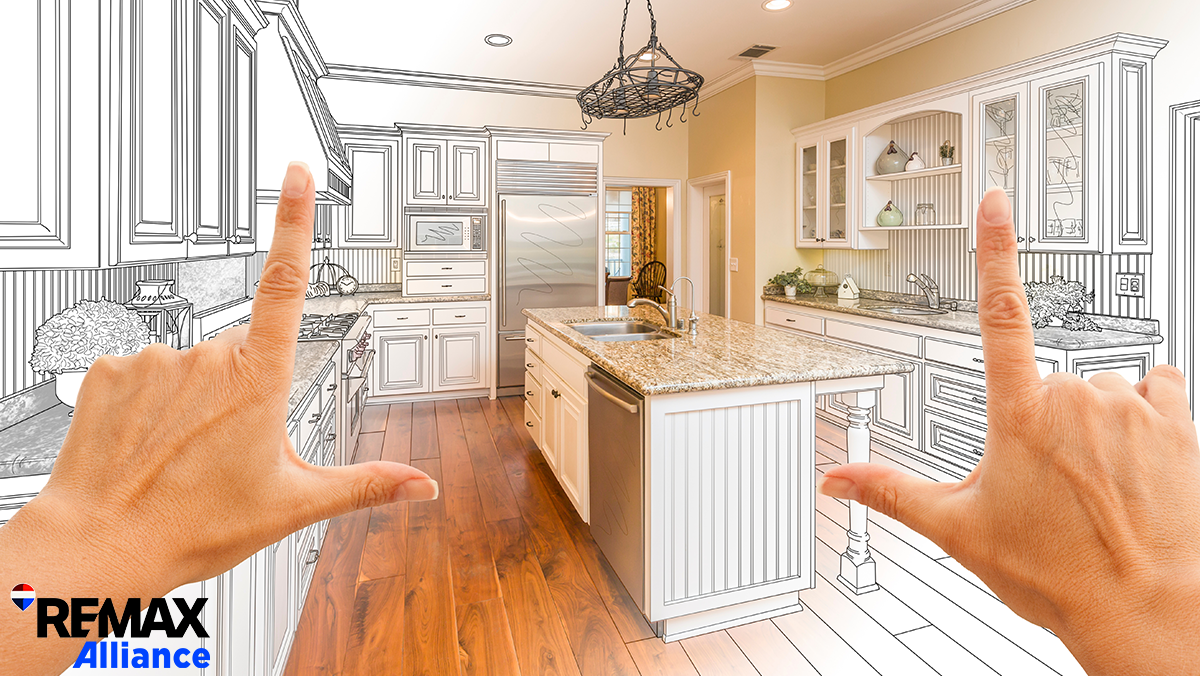
Real estate trends are ever-evolving. With younger generations buying homes, aging boomers making lifestyle changes, and everyone on tighter budgets, we’re seeing shifts like oversized modern farmhouses are less preferred to multi-functional homes with authentic character. Here are the latest developments in homes that offer more warmth, personality, and timeless appeal.
AI-driven Tech Features
Homeowners are increasingly seeking to reduce property maintenance and energy usage. Sustainable, locally sourced materials have greater appeal as they minimize carbon footprints and support local businesses. Additionally, better protection against the weather, such as improved waterproofing and battery backup systems in garages (for uninterrupted power supply during outages), is especially popular with Millennials and Gen Z.
Smaller Ranch Homes, More Townhomes
Homebuilding diversity is rising, with smaller homes becoming more common. Ranch-style homes with flexible indoor-outdoor integration are popular. Townhomes and condos in densely populated areas remain attractive for their low maintenance and convenience. Modern kitchen designs emphasize natural light, neutral colors, and easy upkeep.
Sustainable Energy Practices
“Going green” is more popular than ever, with a focus on energy efficiency and reduced construction waste. Homes are increasingly incorporating recycled materials, sustainable designs like triple-pane glass, and solar power with battery backup systems to ensure energy independence and protect against outages.
More Amenities in Condominiums
While HOAs have become more expensive, many new buildings feature shared amenities like electric vehicle charging stations, bike storage, and common areas for events and classes. Additionally, families are prioritizing recreation and relaxation, with indoor sports and play spaces becoming key features in attached home design.
Built for Health and Accessibility
Homes are incorporating more natural light through larger windows, doors, and skylights. Accessibility-friendly designs benefit people using wheelchairs or walkers.
Moving Beyond Major Metros
Smaller metro areas are seeing growth as homeowners move away from dense urban centers. Housing affordability is a key driver, and homes are becoming smaller to help lower costs. When families are seeking larger spaces, it is often intended for multi-generations (adult children, elderly parents, and such).
TV-Less Living Rooms
The TV is no longer the focal point of many living rooms. Instead, these common gathering spaces are being designed for conversation, with lounge-style seating and swivel chairs. For those who still want a TV, we’re seeing emerging trends like gaming rooms or TVs with frames that blend with decor.
Source: nar.realtor