
One of the Biggest Maintenance Mistakes You May Be Ignoring
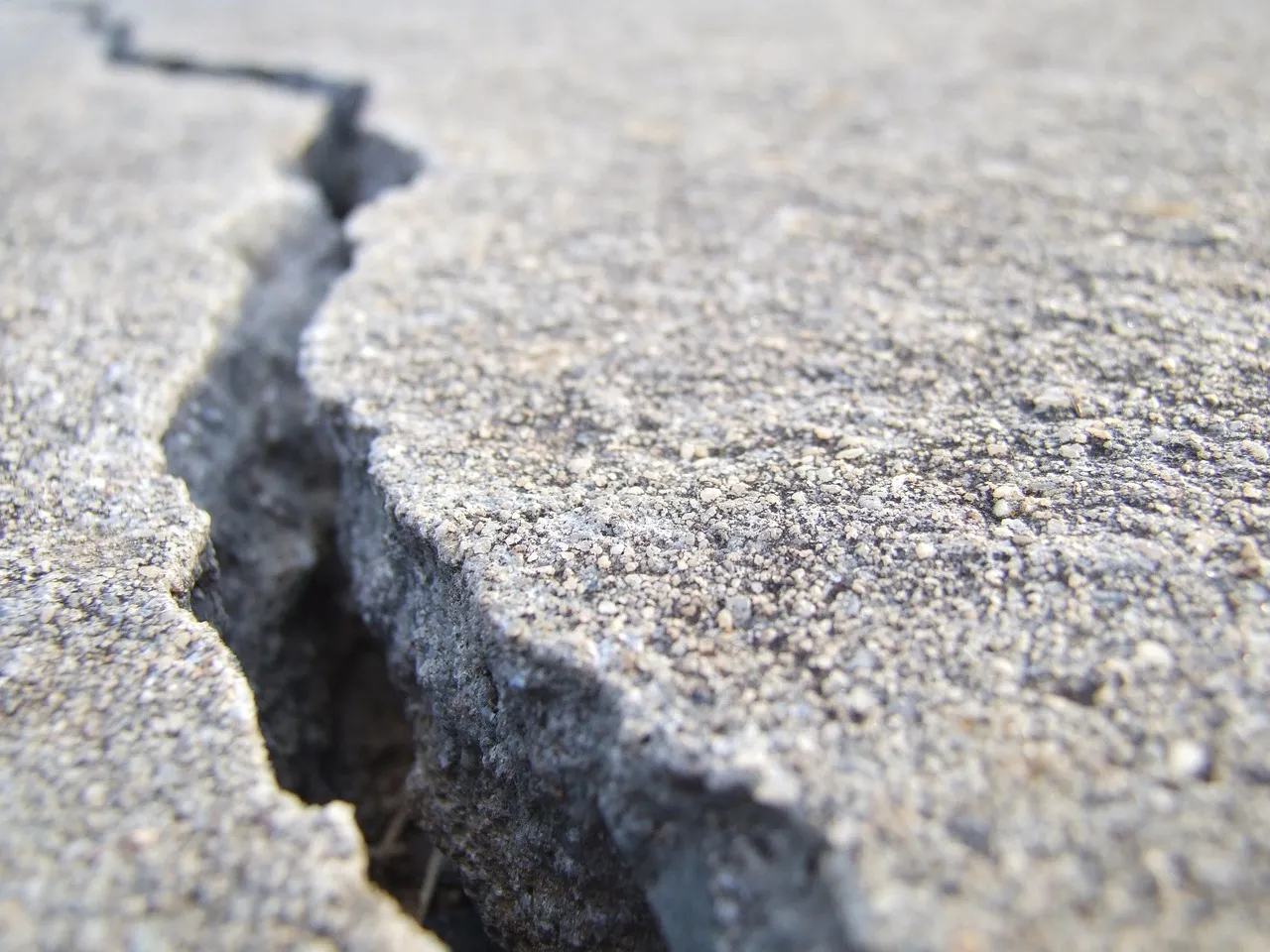
Image by TaniaRose from Pixabay
Inspection report after inspection report call out heaving or cracked exterior concrete costing sellers thousands in repairs. This could all be avoided with some very low cost and simple maintenance tips. Protect your biggest investment and your pocketbook with preventative maintenance.
You know the saying, the only guarantee in life is death and taxes? Well, my structural engineer husband adds cracking concrete to the list. Concrete flatwork, such as a driveway, sidewalk, or garage slab, is expected to crack. Upon installation, the contractor cuts control joints in the flatwork, to give the concrete a weak spot. When the concrete cracks, the hope is that it does so within the control joint. The trouble is that as soon as it cracks, it allows moisture through to the expansive soil below. As the Colorado freeze-thaw cycle occurs, the gap in the control joint expands, and as more and more moisture seeps below the slab, the slab will begin to move and shift. This can all be avoided by simply caulking the cracks before the problem happens. A YouTube search will provide countless videos and advice including product recommendations. If you are not up for the task, a contractor or handy-person can tackle the job.
If it is too late and your exterior flatwork has already shifted, it may be corrected by mud-jacking. This is a process where a foam or slurry is pumped below the slab in various locations lifting it in place. This generally costs between $1,000 – $3,000 depending on the severity and the scope of the project. If the movement has caused significant cracking across the slab, your only option will be replacement.