
Best Practices for Using Storage to Organize a Home
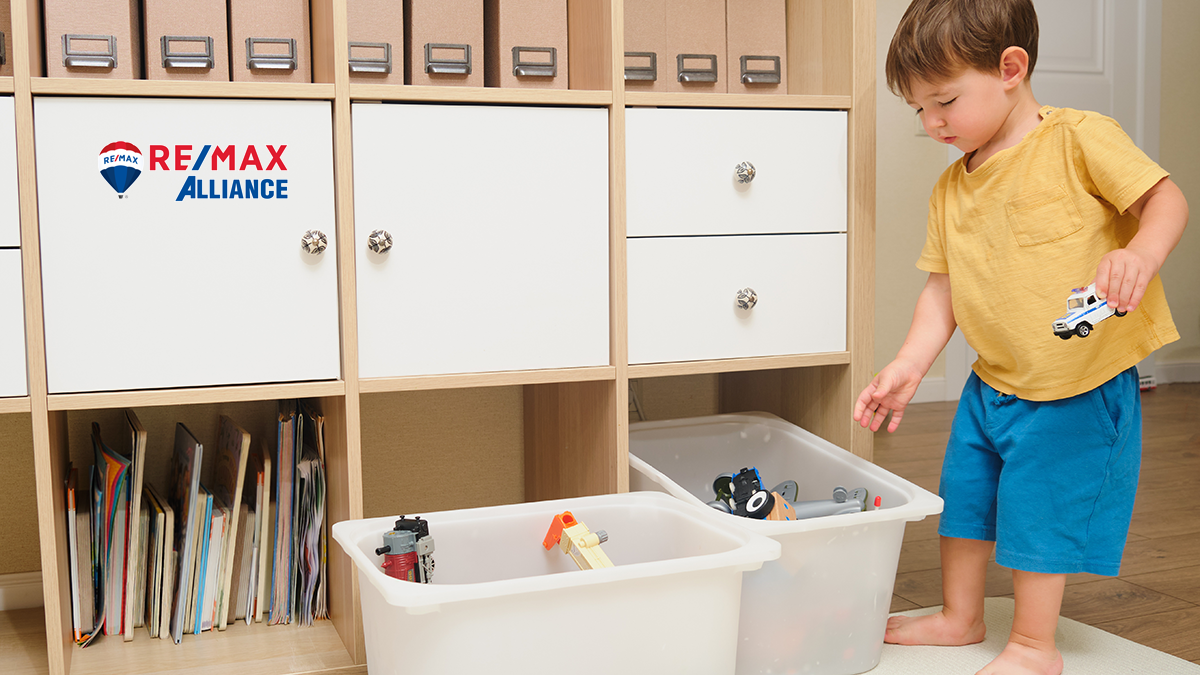
As we bid farewell to the holidays and embrace a brand new year, it’s a perfect opportunity to update your home’s organizing (and finally eliminate those piles). But, figuring out effective storage solutions can be daunting. Even if, during the pandemic, you embraced the decluttering methods or Marie Kondo or Swedish Death Cleaning, you may be among the many homeowners who didn’t fully get their homes in order. If you plan to upgrade or downsize your home this year, ensuring ample space for everything is even more critical. Here are some tips for streamlining your possessions and creating a well-organized living space that brings you joy and efficiency.
Figure Out How and Where
When considering storage options for your home, understand your specific requirements. Ask yourself important questions like:
- How long will I be living here?
- What items am I storing?
- How frequently will I need easy access to them?
Built-in solutions, such as closet systems, come with a higher price tag than freestanding furnishings you can easily move to a future residence. So, before making any storage investments, spend a few weeks assessing your needs accurately to make informed decisions about the most suitable storage solutions for your situation.
And of course, declutter before you start remodeling or investing in a system. A quick method: if an item has gone unused for three to five years or lacks significant sentimental value, let it go.
Pro Tip: Whenever possible, steer clear of off-site public storage facilities. Not only can they be expensive, but they enable procrastination when it comes to decluttering.
Keep the Space in Mind
Home design trends have evolved. The bulky entertainment centers and armoires are outdated. “Costco Closets” have gained popularity in suburban homes for their ample space and ability to store bulkier items.
Whatever system you choose, adjustability is essential. From shelves in a bookcase to clothing rods in a closet, expect your needs and preferences to change. Arrange storage that does not obstruct doors, windows, furnishings, or hinder traffic flow. Your home’s storage should support daily life and enhance convenience rather than create unnecessary obstacles.
Future needs should be considered
Avoid the temptation to fill up your storage, which often leads to clutter. Remember during the pandemic as we scrambled to create home office spaces? We need space for unpredictable seasons of life, not to mention every room in your home must have some form of storage solution.
Pro Tip: Homebuyers love spacious and clever storage solutions, such as a walk-in pantry adjacent to your kitchen. Take advantage of the empty space under a staircase or your garage’s ceiling to maximize storage. It could boost your home’s value.
Keep It On Brand, But Not Personalized
Choose storage that aligns with your home’s design and price point. Expensive wood shelves are ideal for mid to luxury homes, while wire shelving suits lower-priced options. Consider material costs: metal is generally pricier than wood (except for exotic tree species). Stained wood is more expensive than painted finishes, while melamine is more affordable and durable. Avoid over-personalizing your new storage system unless the expense is worth it. For example, a custom wine cellar for your fine collection sounds inspiring. But if you plan to move in the next few years, installing a portable refrigerated wine cooler may be a better alternative.
If you need to make some significant changes or renovations, an array of professionals are ready to assist you. From professional organizers to home builders and architects, the Front Range has a wealth of experts. Not only is your RE/MAX Alliance agent happy to provide you referrals, but assess how the improvements could boost your home’s value (or help you avoid diminishing its resale price).
Source: nar.realtor